How I Build Games
As a game programmer, I specialize in building core systems, responsive mechanics, and modular architecture using Unity and C#. Below are some of the projects I’ve worked on, where I focused on gameplay logic, character behavior, and UI programming. My goal is always to write clean, scalable code that brings creative designs to life and ensures a smooth player experience.
Skills & Tools
Engine: Unity
Language: C#
Systems: Player controllers, UI logic, data management, animations, event systems, etc.
Projects
Broken Reality 2000
Role: Game Programmer & UI Programmer
Tools: Unity C#
Studio: Dynamic Media Triad
Date: October 2021 – August 2023
Description
Broken Reality 2000 is a retro-futuristic exploration game inspired by early-2000s internet culture and Y2k aesthetics. As a Game Programmer and UI Programmer, I developed a modular AI system using state machines to simulate diverse NPC behavior, allowing characters to interact meaningfully with both the environment and the player. I handled pathfinding and scripted events that shaped lively and immersive experiences across all game levels. I also built the game’s Y2K-inspired UI, designing menus, dialogue windows, and HUD elements that matched the visual tone while supporting smooth, intuitive interaction.
Challenges
One of the biggest challenges was balancing visual style with usability. The Y2K-inspired UI demanded a bold, nostalgic look, but also needed to function smoothly on modern devices and varied screen sizes. This meant carefully designing visual layouts and interaction logic that could deliver both the retro vibe and a clean user experience. Another technical challenge was integrating the AI with navigation and environmental triggers in a way that didn’t disrupt performance or design flow. I had to write modular code that remained flexible enough to support evolving level layouts and interactions.
Afterthoughts
Looking back, Broken Reality 2000 was a pivotal project that sharpened my ability to work across both technical and artistic areas. It taught me how to create systems that not only function well but also elevate a game’s tone and visual identity. Contributing to both AI systems and UI design gave me a deeper appreciation for how different elements of a game come together to build a cohesive player experience.
Gallery / Code Snippets
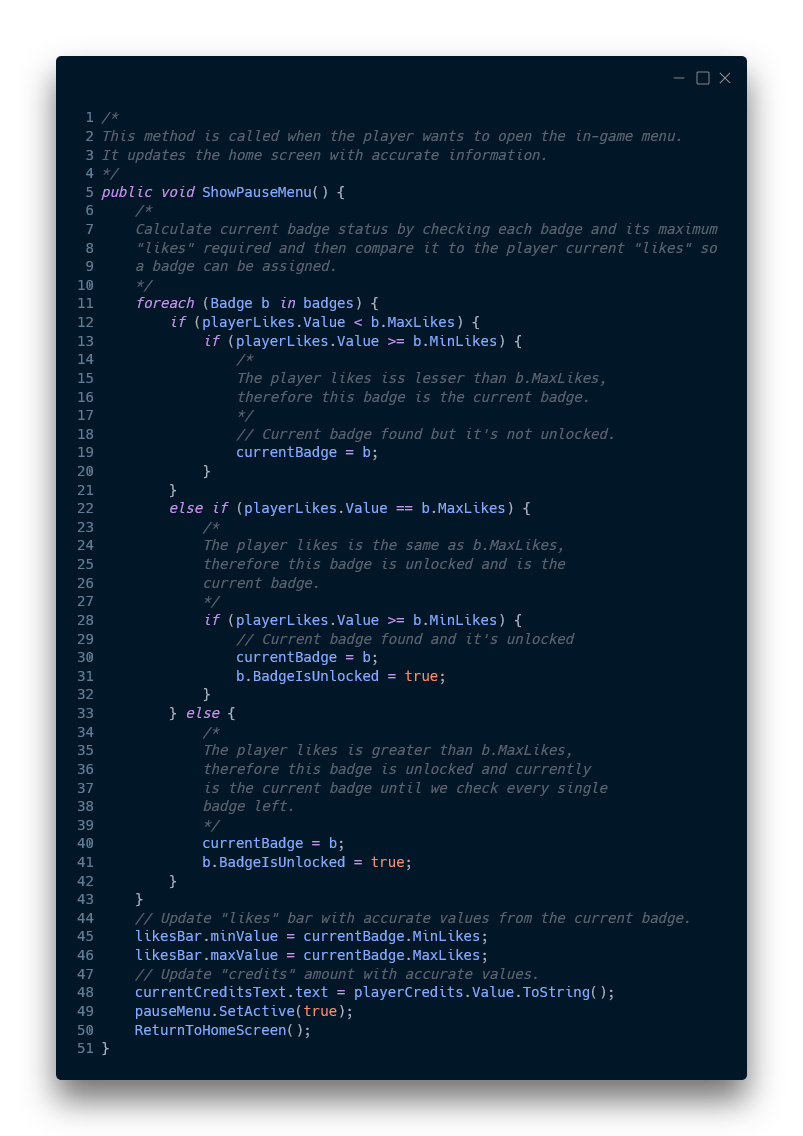
UI Code snippet
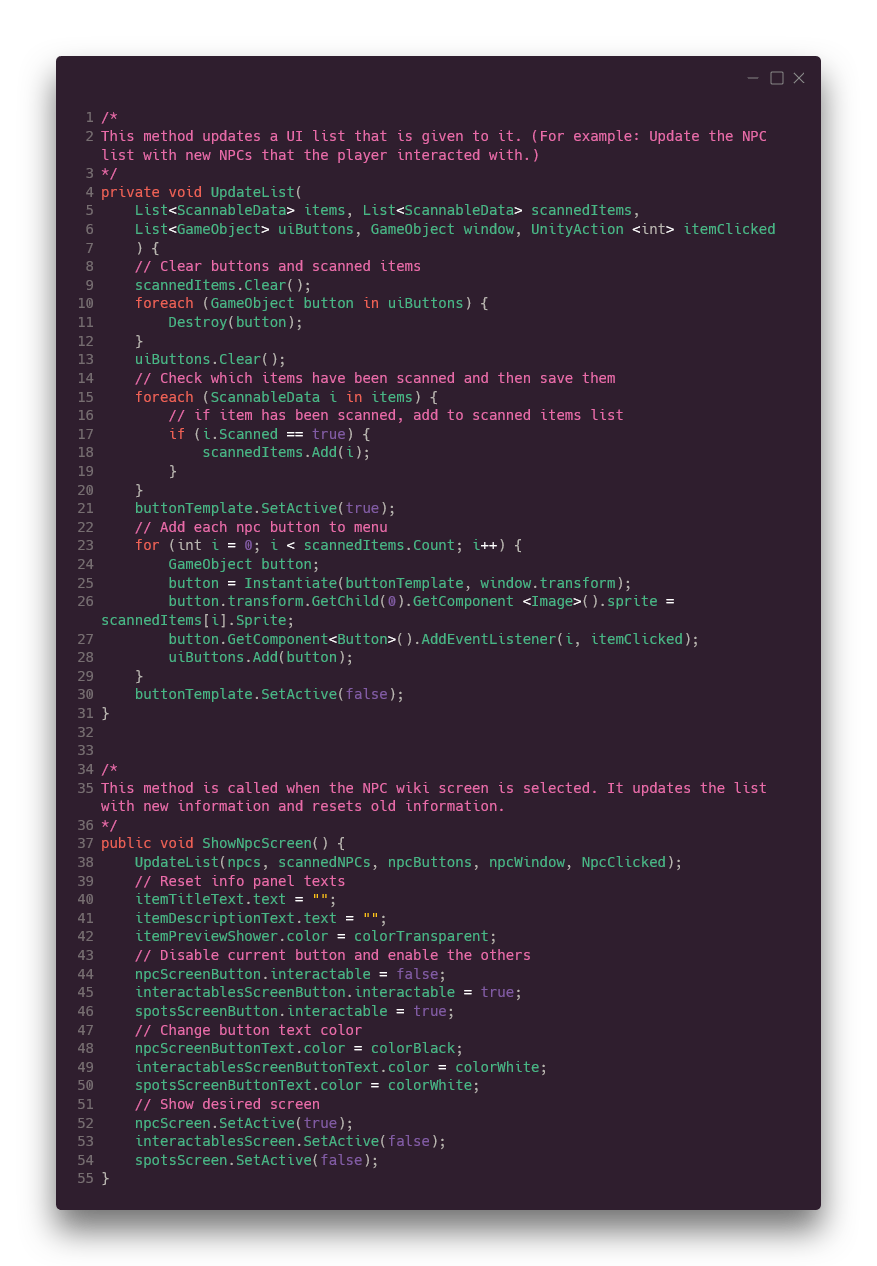
UI Code snippet
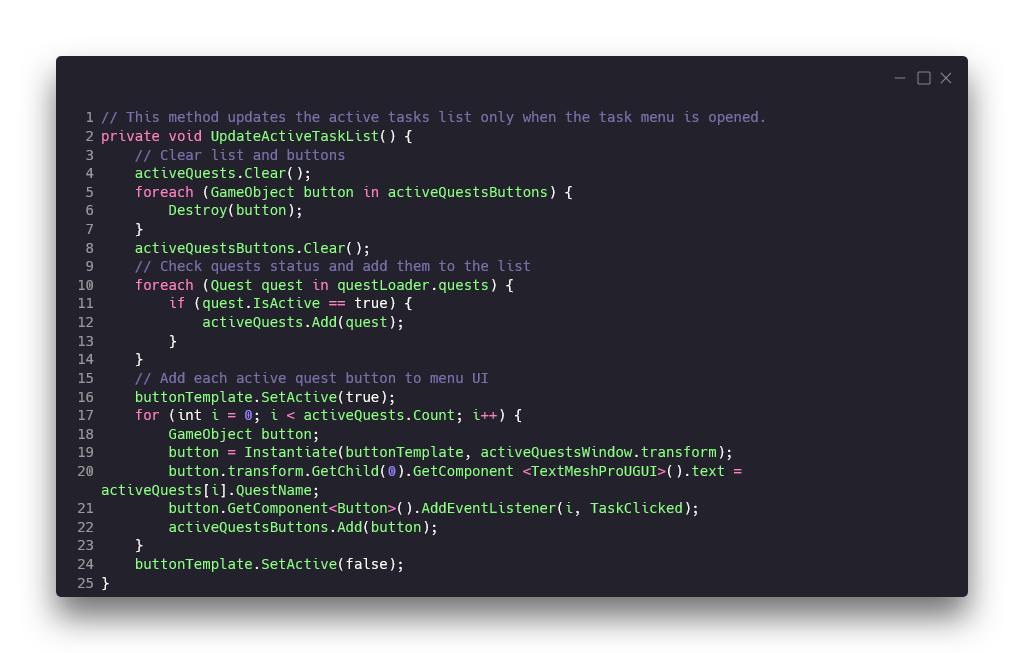
UI Code snippet
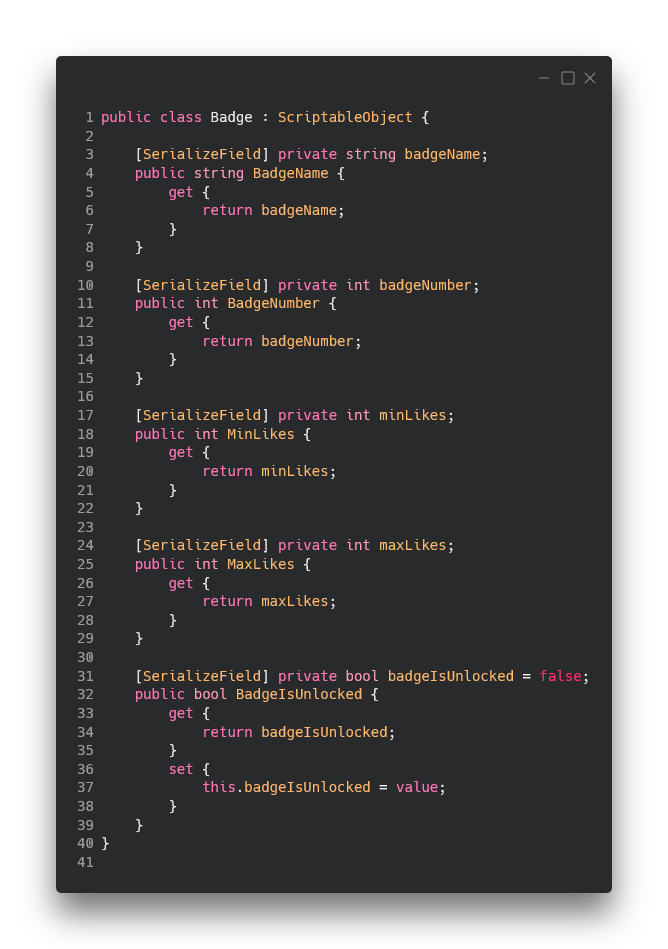
UI Code snippet
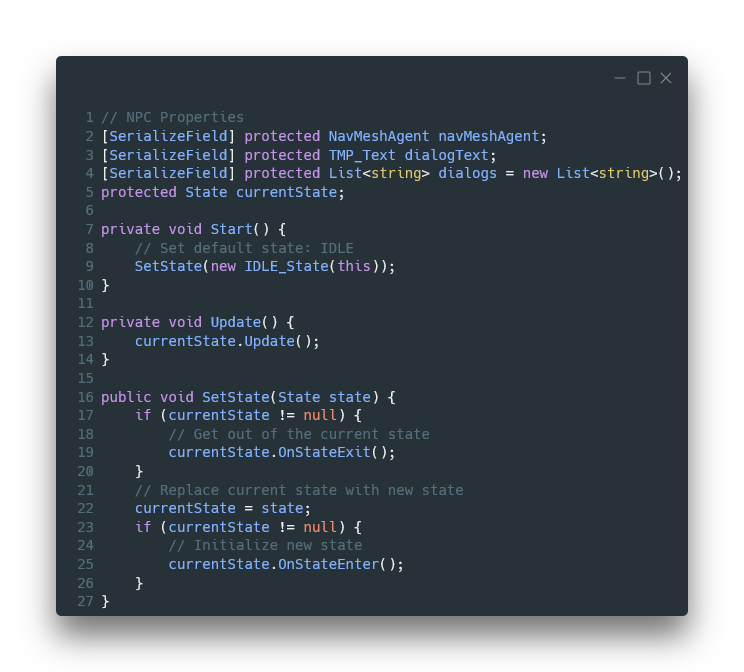
NPC Code snippet
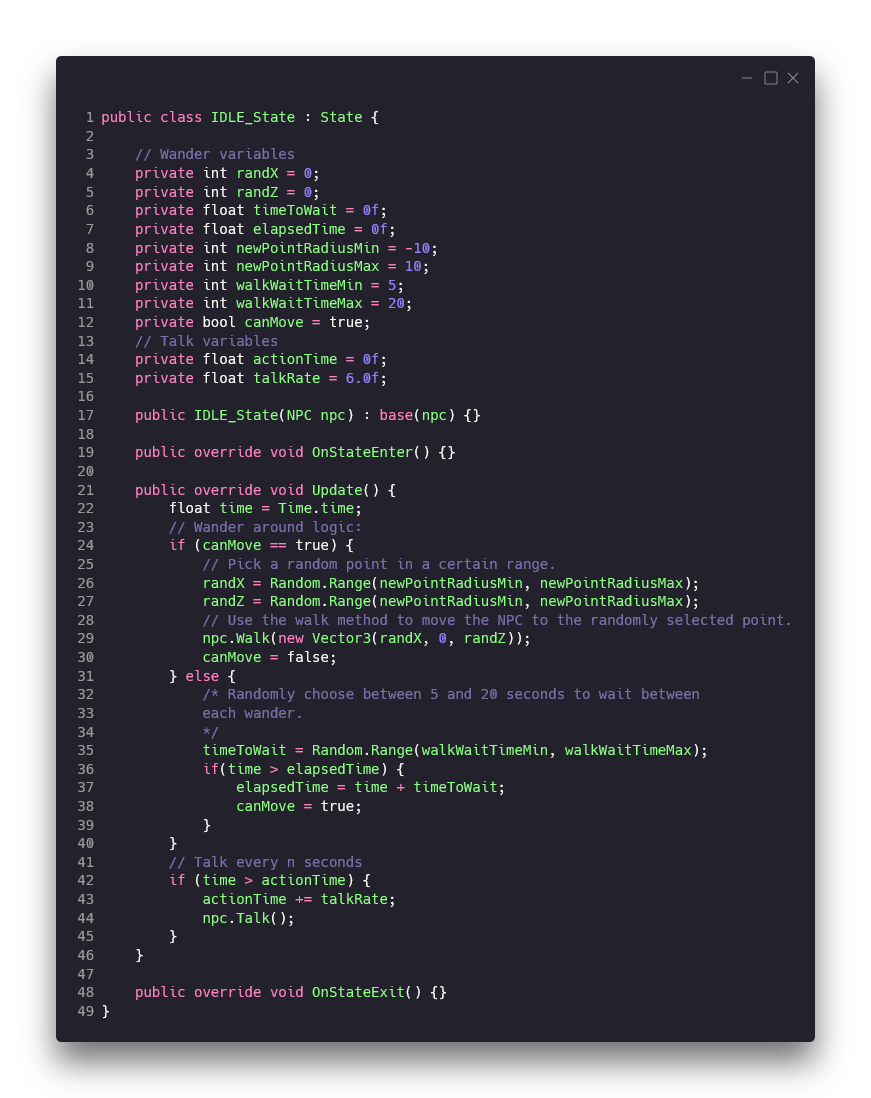
NPC State Code snippet


Going Up!
Role: Game Programmer
Tools: Unity C#
Date: February 2025
Description
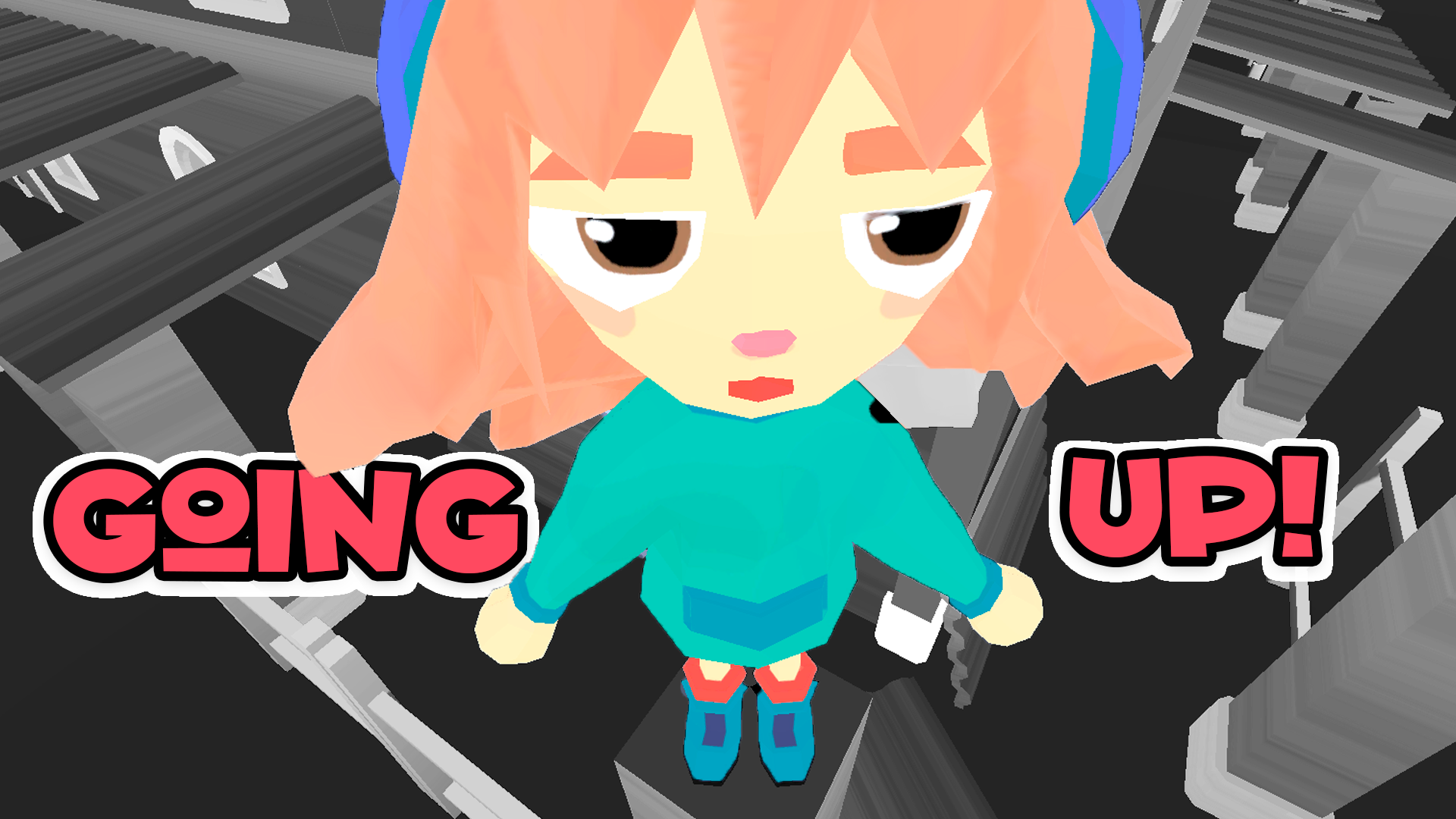
Going Up! is a 3D platformer that challenges players to scale a towering building, where a single missed jump can send them all the way back to the bottom. As the sole programmer on the project, I was responsible for the entire gameplay system, from responsive player movement and jump physics to UI integration and event scripting. I collaborated closely with a 3D modeler, just the two of us, to bring the entire experience to life. Every mechanic and interaction in the game was coded from the ground up to support the project’s core tension: high-stakes vertical platforming.
Challenges
One of the biggest technical challenges was tuning the player controls and physics to feel “just right.” Because the game’s design relies heavily on precision jumps and punishing falls, even the slightest delay or inconsistency in movement would break the experience. I spent significant time iterating on gravity, jump height, fall speed, and collision logic until the gameplay felt fair, fluid, and satisfying. The platforming had to feel tight enough for skilled players to succeed, but not so loose that the game felt arbitrary.
Afterthoughts
This project taught me a lot about how much feel matters in gameplay. Programming the core systems alone gave me complete control over every interaction, and I gained valuable experience balancing gameplay mechanics with player psychology. From level-triggered events to polished UI transitions, every piece of the game was handcrafted to support the loop of challenge, failure, and retry. "Going Up!" pushed me to refine my coding process and taught me how to make player movement not just work but feel rewarding.
Gallery
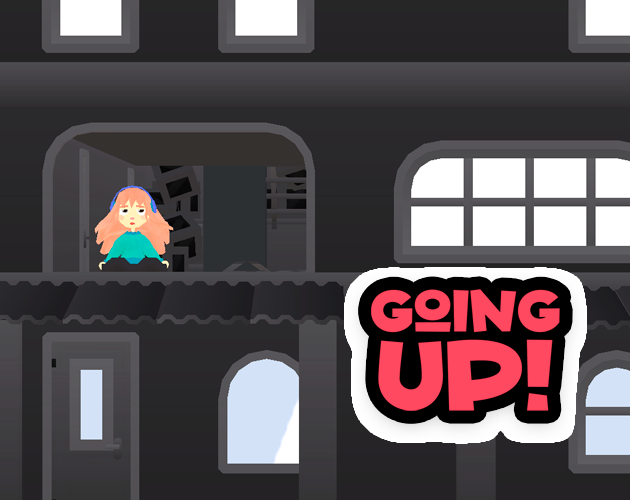
.png)
.png)
.png)
.png)
Anthill
Role: Game Programmer
Tools: Unity C#
Date: February 2021
Description
Anthill is a unique single-player game designed to be impossible to beat alone. The concept revolves around puzzles and environments that require collaboration between players—even though only one can control the game at a time. I worked on this project as both game designer and programmer, collaborating with a small team of three other developers. My programming responsibilities included building the core puzzle logic, implementing UI systems, and coding all player-environment interactions.
Challenges
The central design challenge was creating puzzles that subtly demanded cooperation. As a designer, I had to think beyond traditional single-player mechanics crafting situations where a lone player could almost solve the puzzle, but not quite. These moments were key to encouraging collaboration. On the technical side, the programming was focused on precision: tracking world interactions like button presses, preventing unintended behavior (like phasing through walls), and ensuring that every mechanic functioned exactly as designed, without loopholes.
Afterthoughts
Working on Anthill helped me refine my systems thinking and taught me a lot about designing around constraints. Balancing fairness, clarity, and difficulty required constant iteration between the design and programming layers. It was especially rewarding to see players realize they couldn’t brute-force solutions alone—because that meant our systems were working as intended. The project pushed me to think creatively about interactivity, and how to guide player behavior through design itself.
Gallery
.png)
.png)
.png)
.png)